January Japan Sale On NowBook Now & Save

More Inspiration

To begin, a heartfelt thank you to everyone who travelled with us during our 50th year in 2025. Whether it was your first adventure or one of many, your support meant the world to our teams around the globe.

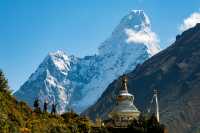
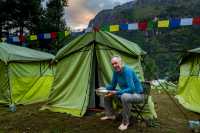
A special mention to those who joined us for our celebration in Sydney as well as at our 50th anniversary celebrations at Thyangboche, in Nepal. You helped us create one of the most memorable events in our company’s history. We’ve received so many kind messages and photos from that experience, and we look forward to sharing more of those stories throughout the year.

As we turn the page, 2026 brings a sense of quiet momentum. Not fanfare - just a commitment on offering the best adventure travel trips on earth. Focus on thoughtful travel, meaningful itineraries, and staying true to what we’ve always believed in: that small group adventure, done well, has lasting value.

 
World Expeditions 50th Anniversary Celebration in Thyangboche, Nepal |  Lachlan Gardiner Banquet at World Expeditions 50th Anniversary Celebration in Thyangboche, Nepal |  Lachlan Gardiner World Expeditions 50th Anniversary Celebration in Thyangboche, Nepal |  Lachlan Gardiner
 

What's Trending For 2026

Western Africa. Trekking in Kyrgyzstan. Madagascar. New trails in Japan. If you want to know our where people are travelling to, and how, check out our Top Destinations for 2026 article.


We've also noticed a shift in how people want to travel. Many are moving away from fast-paced, surface-level trips and towards slower journeys with more room to connect with nature, with local cultures, and most importantly, with themselves. 

Our Regenerative 2030 program continues to grow, with 34 projects already funded and more travellers choosing to support small, locally led projects through micro-donations and travel choices that align with their values.

Beyond our adventures, our Huma Charity Challenge division helped Australian charities raise over $2m in 2025 - we're looking to beat that in 2026!

We’re also seeing strong and growing interest in Indigenous-led travel, particularly in Australia. These experiences take time to build, and we’ll continue to work with care and respect as we grow in this space.

Active travel formats are broadening, too. Walking remains strong, but interest in cycling, active water-based journeys through our On Water Expeditions brand and slower paced adventures are also increasing. That will be reflected in some of the exciting new trips we will be introducing this year - stay tuned!


What I’m Excited About

One of the things I’m most looking forward to this year is a special Bush Tucker experience on the Larapinta with Rayleen Brown - a respected advocate and educator whose work connects people with Country through food. It’s a very special project and we’ll be sharing more details soon.

We'll continue to roll out even more Webinars, with some special guests to be announced soon. Our webinars provide a wonderful opportunity to hear directly from our guides, leaders and local experts. Check out some of the past ones to help you start planning for your next adventure.

You can also expect to see new culinary adventures and special guest-led trips across our program. 

Personally, I'm still reminiscing about my recent trek in Bhutan, a destination you'll hear alot more about this year, but those thoughts are slowly being replaced by my anticipation of returning to cycle China. I plan to revisit some of the routes that helped shape my early experience in this industry. We were the first company to offer cycling trips in China in 1978.

Druk Path Trek, Bhutan |  Lachlan Gardiner
 

New Journeys Launched This Year

We’ve launched several exciting new adventure ideas that reflect the way our travellers want to explore, with more time, deeper connection, and local insight.

Horse Treks in Remote Landscapes

Horses above our Yurt camp in the Tian Shan |  Lachlan Gardiner


We’ve introduced Horse Trek trips in places where horses are still central to daily life - including Mustang, Dolpo, Mongolia and Patagonia. These trips are designed to slow things down and connect you to the people that honor horses in everyday life, while offering access to breathtaking regions that are well away from the footpaths or roads.They’ve been carefully developed in collaboration with local partners and with a strong focus on animal welfare.

Queensland’s NEW World-Class Walking Experiences


We’re proud to be the official partner for two new significant guided walks:

  • The Ngaro Track on Whitsunday Island, created with the Ngaro people
  • The Thorsborne Trail on Hinchinbrook Island, one of Australia’s most remote and spectacular island hikes

Our staff who surveyed the walks last year cannot stop talking about these exciting new Australian hiking experiences. Get in early to be one of the first to experience them.

Sri Lanka - Taste & Spirit

Novice monks at Polonnaruwa |  Richard I'Anson


This new journey, led by food expert Jeremy Claasz, offers a warm, locally guided introduction to Sri Lanka’s food culture, sacred places and countryside. One of several new culinary-style experiences to watch for this year.


Looking Ahead

We’ll keep doing what we've been passionate about for 50 years - crafting small group adventures that are well operated, community minded, and grounded in real experience.

We’re also continuing to work steadily towards B Corp certification, which we hope to finalise later this year. It’s not a badge for us, but a useful framework to help ensure we’re staying accountable to the values we’ve always held.

Thank you for being part of this journey.

– Sue

Sue Badyari has led World Expeditions Travel Group since 1999. In 2025, she was recognised by Travel Weekly as Executive of the Year and Woman of the Year - recognition she credits to the people around her. She continues to work quietly behind the scenes to support the teams, partners and communities that make these adventures possible.


Whether you’re a Taurus seeking tranquillity, a bold Aries chasing mountain highs, or a soulful Cancer longing for connection, your zodiac sign might just hold the key to your next big adventure in 2026.

After 50 years of helping adventure travellers with adventure ideas that go beyond the ordinary, we thought we’d try something different to help people find their next adventure. This fun guide is where the stars align with your spirit for adventure, it pairs our most exciting 2026 destinations with the key qualities of your zodiac sign.


Equipment used on trekking trips in Nepal |  Lachlan Gardiner
 

♑ Capricorn (22 Dec – 19 Jan)
Summit your goals in Nepal

Capricorn, you don’t just take holidays - you set goals. You seek elevation, achievement and growth. You're at your best when steadily climbing towards something bigger. There;s no place better to keep going up than the Himalaya.

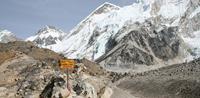
Trek to Everest Base Camp - or beyond, tackle Manaslu or go deeper into Upper Dolpo, or Mustang. Nepal offers structure, reward and a sense of accomplishment that’s hard to beat.

Why? You’re a mountain goat at heart – trekking Nepal is your natural element.

Browse all Nepal treks


A family of Ring-tailed Lemurs resting on a branch
 

♒ Aquarius (20 Jan – 18 Feb)
Trek through Madagascar’s biodiversity

You’re an original. An innovator. Aquarius travellers walk the unbeaten path not to avoid others, but to discover something radically new.
Madagascar’s endemic wildlife, evolving trails and conservation-led experiences will feed your eco-curiosity and your love of the unconventional.

Why? You thrive on originality and the chance to do things differently.

View Madagascar trips


Raja Ampat Archipelago, a snorkeller's paradise
 

♓ Pisces (19 Feb – 20 Mar)
Drift into peace on a water-based journey

Pisces is intuitive, empathetic and deeply attuned to water. Travel for you is more about flow - not pace.

From kayaking the remote island coastlines in Indonesia to exploring Antarctica by zodiac, our new range of On Water Expeditions offer time to dream, to feel, and to be immersed in nature’s rhythms.

Why? Water calms your spirit - and makes room for awe.

View On Water Expeditions


Spectacular views across the peaks of Patagonia |  Richard I'Anson

♈ Aries (21 Mar – 19 Apr)
Go bold in Patagonia

Trailblazing Aries, you don’t follow paths - you create them. Competitive, passionate and never one to back down from a challenge, you thrive where the terrain is tough and the views are earned.

Patagonia’s wild horizons, glacial valleys and dramatic ridgelines are your perfect match - raw, vast and utterly rewarding.

Why? Patagonia’s windswept wilderness is the perfect match for Aries energy, strong, unfiltered and full of challenge.

View Patagonia trips


Discovering temples in Shikoku |  Gesine Chueng
 

♉ Taurus (20 Apr – 20 May)
Slow down in Japan’s sacred mountains

Taurus, you're a sensory traveller – grounded, patient, and deeply drawn to meaningful, beautiful places. You move with purpose, preferring slow immersion over speed.

Japan’s Kumano Kodo and Nakasendo Trail offer quiet, restorative walks through ancient cedar forests, with time to stop, reflect and indulge in the comforts of a warm meal and a hot spring soak. However our tip for those what want it extra slow and quiet? Go where the locals escape to - the island of Shikoku.

Why? It’s nature, culture, comfort - everything a Taurus seeks in perfect harmony.

Explore Japan walks & tours


Hiking through remote villages in Georgia |  Gesine Cheung
 

♊ Gemini (21 May – 20 Jun)
Meet the world in the Caucasus

Endlessly curious and always on the go, Gemini travellers crave variety and connection. You're the one chatting with locals, swapping stories at camp and diving headfirst into new culture - so let's find you some new places to visit.

Georgia, Armenia and Azerbaijan are tailor-made for you - where every border brings a new dialect, cuisine or mountain view.

Why? The perfect blend of heritage and contrast, for curious minds and restless feet.

See Transcaucasian walks & tours


Masks in Accra local market
 

♋ Cancer (21 Jun – 22 Jul)
Float through Western Africa’s rhythms

Sensitive, intuitive and empathetic, Cancers seek journeys that touch the heart. You’re not chasing thrills, you’re seeking real stories, meaning and human connection.

Ghana, Togo and Benin offer powerful cultural insights, vibrant traditions and opportunities to walk alongside communities with openness and respect.

Why? Cancer values purpose. These destinations provide immersion with heart, and time for reflection.

View Ghana, Togo, Benin adventure


Enjoy superb examples of Islamic architecture when in Morocco |  James Griesedieck
 

♌ Leo (23 Jul – 22 Aug)
Shine bright in Morocco or Turkey

Bold, magnetic, and drawn to places that feed your sense of drama, you’re the storyteller of the zodiac. You love a little flair, a lot of culture and views that demand attention. Let's get you there.

The spice bazaars of Morocco or Turkey’s wild coastlines and ancient ruins will light your fire and give you the centre-stage moments you secretly love.

Why? Leos love drama, history and flair - with sunshine to match.

Explore Turkey


A local eagle hunter, Mongolia |  Cam Cope
 

♍ Virgo (23 Aug – 22 Sep)
Get methodical in Mongolia

Virgos are detail-focused adventurers; independent, intelligent and quietly brave. You prefer your travel with a side of purpose and seek out places where nature and rhythm guide your days.
Mongolia’s vast steppe and nomadic life offer you space to think, time to engage and journeys that unfold slowly and meaningfully.

Why? It’s remote, real, and deeply reflective, ideal for Virgo’s need for meaning.

Discover Mongolia


Punakha Dzong, Bhutan |  Lachlan Gardiner
 

♎ Libra (23 Sep – 22 Oct)
Balance beauty and comfort in Bhutan

You’re a harmony seeker - graceful, thoughtful and drawn to places where inner and outer beauty align. You want meaning without chaos, culture without crowds. We know just the place.

Bhutan’s mountain monasteries, calm villages and considered way of life offer the balance you thrive on - and landscapes worthy of your refined eye.

Why? Bhutan offers balance - of luxury and simplicity, spirit and scenery.

Explore Bhutan adventures


Tsemo Gompa, Leh |  Richard I'Anson
 

♏ Scorpio (23 Oct – 21 Nov)
Go deep in Sikkim, Ladakh or Pakistan

Scorpios are intense travellers, seekers of depth, truth and wild places few others venture. You're not interested in surface-level tourism, and neither are we. You want to be changed by the experienc, which is handy cause our adventures often do just that.

Explore the stark beauty of Ladakh or the remoteness of Pakistan's ranges; powerful, raw and deeply spiritual landscapes that mirror your own complexity.

Why? Mysterious, remote and real - just like you.

View adventures in Ladakh, Sikkim or Pakistan


Hiking in the Tian Shan Mountains of Kyrgyzstan |  Lachlan Gardiner
 

♐ Sagittarius (22 Nov – 21 Dec)
Ride into Kyrgyzstan’s wild heart

The ultimate wanderer. Sagittarius thrives on freedom, fresh air and long roads less travelled. You're born to roam – especially through mountain passes, open steppes and across cultural boundaries.

Kyrgyzstan’s alpine landscapes, nomadic culture and horse treks will match your boundless energy and open spirit.

Why? A Sag loves freedom. The Stans are freedom personified.

Explore Kyrgyzstan


Where will your 2026 adventure take you?

Browse all adventures


Regenerative 2030 is the World Expeditions Travel Group’s long term commitment to ensuring travel creates positive and lasting change. It is guided by a simple idea. Travel can be a force for regeneration. We donate five dollars for every booking to the World Expeditions Foundation to support community led initiatives that restore ecosystems, strengthen communities and improve access to education.

One of the fully funded projects under this initiative has now reached completion. The Menstrual Packs for Equal Rights Project in Zambia has achieved its fundraising goal of three thousand six hundred dollars. This support has provided one hundred and fifty reusable menstrual packs for school girls in rural communities, delivered in partnership with the Luangwa Conservation and Community Fund. The project is known locally as Ufulu, which means freedom. This name reflects the purpose of the program. To give girls the confidence and freedom to attend school every day of the month without interruption.

Menstrual Pad Project |  Unknown
 

In many rural areas of Zambia, a lack of proper menstrual hygiene products results in girls missing up to one week of school each month. The consequences are long term. Reduced attendance leads to reduced learning outcomes and fewer opportunities. Early marriage is more common and confidence levels often drop. For low income families, boys are still more likely to be sent to school than girls. These barriers are compounded by stigma, limited education about menstrual health and the financial strain of purchasing safe sanitary products.

The Ufulu project addresses these challenges by providing high quality, washable and reusable menstrual pads made from breathable cotton and bamboo materials. They are sewn by local women employed through the initiative, creating fair income and valuable skills within the community. Each kit can be used for up to two years. Each one also reduces waste by replacing single use products with a sustainable alternative.

The project goes beyond the distribution of pads. It delivers education sessions that increase knowledge about menstrual health and hygiene. Girls learn how to care for their pads, how to understand their cycle and how to manage menstruation with confidence. This helps reduce stigma, improves comfort and supports dignity. Teachers and community members are also engaged to build a supportive environment within the school.

The impact is significant. Each menstrual pack saves approximately five school days every month that would otherwise be lost. Improved attendance means greater continuity in learning and improved academic outcomes. Girls report feeling more confident, more comfortable and better able to participate fully in classroom activities. The project is contributing to a shift in attitudes around gender equality and menstrual health in rural Zambia.

This initiative supports several United Nations Sustainable Development Goals. These include good health and wellbeing, gender equality, reduced inequalities, responsible consumption and production and quality education. By meeting these goals in a practical and community led way, the project reflects the core purpose of Regenerative 2030.

For fourteen years, Project Luangwa and its partner organisations have worked to improve education and gender equality across the region. Through this long standing partnership, communities have seen steady improvements in girls attendance rates, confidence levels and the breaking down of harmful stereotypes. The Ufulu menstrual pack project builds on this foundation by addressing one of the most persistent barriers to girls education.

Regenerative 2030 is about choosing regeneration over impact neutrality. It is about supporting local leadership and investing in the wellbeing of future generations. The successful delivery of this project in Zambia shows what is possible when travellers, community partners and local leaders work together. Every booking contributes to this work. Every project strengthens the resilience of people and places. Together, we are helping create a more equitable and sustainable future for girls in rural Zambia.


Exploring remote landscapes on horseback can be one of the most rewarding ways to travel. It is quiet, low impact, and deeply connected to the land. But it also comes with responsibility. When horses support our journeys, their welfare must be considered.

At World Expeditions, we have a clear position: horses must be treated with care, respect, and dignity. That is non-negotiable. Whether you are trekking through Mongolia, Argentina or Kyrgyzstan, our commitment to horse welfare applies to every trip.

World Expeditions Rider on horseback crossing Mongolia’s green steppe, deep in nomadic country

What We Expect and Enforce

All of our horse trek operators must meet strict welfare standards. These are based on international best practice and guided by the Five Domains Model of Animal Welfare. In practical terms, this means:

  • Horses are given unrestricted access to clean water, appropriate feed, and shelter.
  • Load limits are strictly enforced (no more than 20% of the horse’s body weight).
  • Saddles and tack are properly fitted and checked regularly.
  • Horses are never overworked, mistreated, or handled using whips, spurs, or harsh bits.
  • Natural behaviours such as roaming, resting, and social interaction are supported.

We welcome World Expeditions’ ongoing commitment to ensuring that their travel offerings are animal friendly, including animal-assisted adventures. Their leadership over many years has helped lift standards across the entire travel industry”
– Ben Pearson, Country Director, World Animal Protection Australia, 2025

Happy riders, sturdy steeds and big Mongolian skies

Ongoing Monitoring

We build welfare clauses into all relevant operator contracts and carry out due diligence at the start of every partnership. We also monitor traveller feedback, which helps us flag issues early and take action when needed.

A Shared Responsibility

On trek, you will often witness a strong and respectful bond between the horses and their handlers. Many of our local teams come from long traditions of horsemanship. We support those relationships by ensuring the animals are not just tools of travel. They are working companions who deserve care and respect.

If you ever see something that does not sit right, we ask you to let your guide know and to report it in your post-trip feedback. Every voice matters.

Travel That Stands For Something

Responsible trekking means looking after the people, places, and animals that make these journeys possible. When you ride with us, you are helping support higher welfare standards across the industry.

Because ethical travel does not end at the saddle.

Learn more about our Horse Treks around the world.


Minimising Our Waste Footprint: How We Manage Rubbish on Trek

Minimising our impact where formal waste systems do not exist

In regions like Nepal and Bhutan, where waste infrastructure is limited or absent, we take full responsibility for what we bring in and how we manage what is left behind. Our goal is not only to leave no trace, but to lead by example and actively improve the health of the environments we travel through.

Reducing Waste from the Start

Our local teams, including cooks and guides, minimise waste at its source by using reusable containers, avoiding single-use plastics, and choosing ingredients with minimal packaging. Travellers bring refillable bottles and we supply safe, filtered water.

Taking More Out Than We Bring In: The 10 Pieces Initiative

We invite travellers to pick up 10 pieces of litter a day on treks in Nepal, Bhutan, India, Kyrgyzstan, Tajikistan, Tanzania and Peru. Guides brief groups, provide bags, and ensure responsible disposal.

Sorting and Responsible Disposal on the Trail

  • Organic waste is composted or buried far from water sources.
  • Hazardous waste is carried out for safe disposal.
  • Combustibles and low-toxicity plastics are incinerated in custom incinerators.
  • High-toxicity plastics are never burned and are sent to licensed facilities.

Clean Incineration in Wilderness Settings

We use a high-efficiency incinerator developed with Tim Macartney-Snape. Burns are high-temperature, outdoors, and only for approved materials. Remaining ash is buried away from water sources.

What You Can Do: Travelling Light and Right

  • Pack light and avoid unnecessary packaging.
  • Choose reusable over disposable.
  • Follow Guide instructions for separating waste.
  • Join the 10 Pieces initiative.

Leaving It Better Than We Found It

By taking more out than we bring in and by training local teams, we help fragile environments thrive.

Related: 10 Pieces Litter Collection Program | Protecting Bhutan’s Highlands for Future Generations


A Celebration Across Continents 

Fifty years ago, we set out on our first commercial trek into the Himalaya. Back then, trekking in Nepal was virtually unheard of for independent travellers, but we believed in the power of remote, responsible adventure. In September, we honoured that bold beginning with celebrations held on opposite sides of the world, one in Sydney, the other in Nepal.
 

Our Sydney celebration brought together long-standing staff, industry friends, media and past travellers, people who have walked alongside us in one way or another over the years. 

World Expeditions 50th Anniversary Party, Sydney Office

In Nepal, more than 70 trekkers set off on various trails across the Himalaya, eventually converging at the spiritual heart of the Khumbu, Thyangboche. Among them was a special group retracing our original 1975 route, joined by our CEO, Sue Badyari. Together, they marked an extraordinary milestone with what may well have been the highest birthday celebration on the planet – complete with cake, candles, and a live simulcast back to Sydney.

World Expeditions 50th Anniversary Celebration in Thyangboche, Nepal |  Lachlan Gardiner

As the sun dipped behind Everest’s flanks, laughter echoed from the mountainside and stories flowed freely. In both Thyangboche and Sydney, the energy was unmistakable, a shared pride in how far we’ve come, and a deep connection to the journey that began five decades ago.

World Expeditions 50th Anniversary Celebration in Thyangboche, Nepal |  Lachlan Gardiner


Honouring Our Purpose 


A standout moment came when CEO Sue Badyari joined the Sydney celebration live from the Everest region. “We’ve always believed in protecting the places we visit, supporting local communities, and making these journeys available to people who seek meaning, not luxury,” she said. “This isn’t a brand built on trends. It’s built on truth.” That sentiment echoed throughout the night. From the beginning, our focus has been on genuine travel experiences that connect people to place and leave a positive impact. 

World Expeditions 50th Anniversary Celebration in Thyangboche, Nepal |  Lachlan Gardiner

In Sydney, UTracks GM and long-time team member Kate Baker summed it up best: “Sustainability isn’t something we adopted – it’s something we were founded on. That’s why travellers return. That’s why so many of us have stayed.” 

Kate Baker and Brad Atwal at the World Expeditions 50th Anniversary Party, Sydney Office

We were proud to hear those words echoed by many others in the room, including brand ambassador and travel photographer Richard I’Anson, who reflected on decades of shared adventures. 

Richard I'Anson at the World Expeditions 50th Anniversary Party, Sydney Office


50 Years Forward 


This 50th year has not just been a celebration, it’s been a turning point. We are actively working toward B-Corp certification, have launched a carbon measurement framework, and recently hosted a Sustainability Symposium focused on regenerative travel practices. We’re not looking to grow for growth’s sake, we’re evolving in a way that stays true to who we are. 

World Expeditions 50th Anniversary Celebration in Thyangboche, Nepal |  Lachlan Gardiner


Thank You for Walking With Us 


Whether you’ve joined us on one trek or twenty, supported our guides and crew, worked in our offices, or simply followed our story - thank you. This celebration was for you as much as it was for us. And while we’re proud of what we’ve achieved over the past 50 years, we’re even more excited about where the next trail leads.

View of Mount Everest, during the 50th anniversary treks |  Lachlan Gardiner


When travellers talk about rhododendrons in the Himalaya, Sikkim is almost always part of the story. 

This small state in northeast India is home to an extraordinary diversity of these flowering trees and shrubs, making it one of the world’s best places to see them in bloom. The same conditions that create this floral spectacle also make Sikkim famous for its organic tea.

For trekkers, this means a journey through valleys of colour, high mountain forests and villages, with the chance to sip some of India’s finest tea along the way.

Rhododendron forest, in Kanchenjunga area. Sikkim Himalaya, India
 

A natural stronghold of rhododendrons

Sikkim is home to more than 40 species of rhododendrons, from towering trees to delicate ground shrubs, many found only in the Eastern Himalaya. The state’s altitudes range from 300 metres (980 ft) in subtropical valleys to over 8,500 metres (27,800 ft) on the slopes of Kanchenjunga, creating microclimates where rhododendrons thrive.

“Each spring, Sikkim transforms into a living gallery of colour - entire hillsides glowing red, pink, purple, yellow and white.”

Spring’s transformation

From March to May, Sikkim undergoes one of the Himalaya’s most striking seasonal changes. Hillsides and valleys erupt in spectacular blooms, attracting photographers, trekkers and botanists from around the world.

The Shingba Rhododendron Sanctuary in North Sikkim is a highlight, with more than 40 species flourishing within its protected boundaries. Our treks here are timed to coincide with this bloom, so you’re walking through forests at their most vibrant.

Sikkim Rhododendron Trek |  Margie Thomas
 

Culture, ecology - and tea

In Sikkim, rhododendrons aren’t just admired for their beauty. They appear in traditional medicine, local rituals and crafts, and they provide habitat for wildlife and pollinators.

The same biodiversity that supports these flowers also nurtures Sikkim’s tea. The state is home to the celebrated Temi Tea Estate, one of India’s most highly regarded tea gardens.

  • Altitude - Tea thrives in the cool, misty mid-hills between 1,200–1,800 metres (3,900–5,900 ft).
  • Soil & biodiversity - Rich Himalayan soils, glacial rivers and surrounding forests keep the ground healthy and balanced.
  • Climate - Sunshine, rain and cool air encourage slow leaf growth, enhancing flavour.
  • Organic practices - Sikkim is India’s first fully organic state, so Temi’s leaves are grown without chemical fertilisers or pesticides.
“The same natural conditions that paint Sikkim in rhododendron colour each spring also give you one of the world’s most aromatic cups of tea.”

Why trek with us in Sikkim?

Travelling through Sikkim in spring is not just about scenery - it’s about how you experience it. Our fully supported treks mean you can enjoy remote valleys and rhododendron forests without the burden of logistics. Leaders share the stories behind the landscapes, from the cultural significance of the blooms to the heritage of tea cultivation. Camps are prepared ahead, meals cooked for you, and gear carried - leaving you free to focus on the walking, the views and the season.

View Sikkim treks and tours.


Perched in the shadow of the mighty Kangchenjunga (the world's 3rd highest mountain) and nestled between Nepal, Bhutan and Tibet, Sikkim is one of the Himalaya’s best-kept secrets. 

A former kingdom and now India's least-populated state, Sikkim offers something rare in the world of adventure travel - silence, solitude and soul-stirring scenery that few have walked through.

Whether you’re drawn by the culture, the mountains, or the flowers that colour the forests each spring, Sikkim rewards the kind of traveller who seeks meaning in the journey, not just the destination.

Group high tea at Elgin hotel Darjeeling |  Garry Weare
 

Where is Sikkim?

Sikkim sits in the far northeast of India - geographically small but culturally immense. From subtropical valleys to alpine pastures and high passes, the landscapes are remarkably diverse. Much of the region remains protected and lightly trekked, preserving its wild charm and spiritual pulse.

Access is usually via the West Bengal hill towns of Darjeeling or Kalimpong – gateways known for their tea estates, Tibetan monasteries and colonial-era architecture. They offer a soft cultural landing before your journey into the mountains begins.

Why Visit Sikkim?

1. Unspoiled Trails
Unlike the well-trodden routes of Nepal, Sikkim’s trekking paths remain largely unknown to the wider world. You’ll share the trail with yaks, prayer flags and forest winds – not crowds.

2. Rhododendron Forests in Bloom
Spring (April to May) transforms Sikkim into a botanical wonderland, as more than 300 species of rhododendron burst into bloom. Walking among them is like entering a living painting of colour and scent.

3. Living Tibetan Buddhist Culture
Sikkim’s cultural identity is deeply Tibetan, with prayer wheels, fluttering flags and ancient monasteries dotting the hillsides. The spiritual energy here is quiet but palpable – a landscape imbued with ritual and reverence.

4. Tea, Temples and Tranquillity
Darjeeling’s famous tea plantations and Kalimpong’s quiet charm offer the perfect bookends to your trek, a reminder that Sikkim isn’t just about altitude, it’s about atmosphere.

5. Off-the-Beaten-Path Appeal
For seasoned walkers who’ve experienced the Himalaya elsewhere, Sikkim feels like a rare second chapter, one that few have read, but many come back for.

Darjeeling, with Kanchenjunga in the background
 

Spotlight: The Majesty of Kangchenjunga

Rising to 8,586 metres (28,169 feet), Kangchenjunga is the world’s third highest peak - and a deeply sacred mountain in Sikkimese and Nepali culture. Its name means "The Five Treasures of the Snow," referring to the mountain’s five prominent summits.

Unlike other famous Himalayan peaks, Kangchenjunga hasn’t been commercialised. It’s not a place of summit photos and crowded base camps, but of reverence, mystery and awe. On clear mornings, you may find yourself alone, watching the ice-bound flanks of the mountain glow orange under the first rays of the sun – a moment of pure stillness.

Frequently Asked Questions

When is the best time to visit Sikkim for trekking?
The ideal time is April to May, during the rhododendron bloom. Autumn (October to November) also offers crisp mountain views and stable weather.

Do I need to be an experienced trekker?
Sikkim suits a range of trekking grades, but all options require a good level of fitness and comfort walking for several hours a day in mountainous terrain. Some treks involve camping; others stay in local lodges or guesthouses.

Is altitude a challenge?
Most routes reach between 3,500–4,100 metres (11,500–13,500 feet). While not extreme, altitude awareness is important. World Expeditions itineraries include proper acclimatisation and are led by experienced local teams.

How remote is it?
Very. While access is improving, Sikkim’s trails remain peaceful and pristine - part of their appeal. Our treks operate with full support and safety systems in place, including satellite comms and ethical porter practices.

Can I go as a solo traveller?
Yes. Many of our departures are designed to run even with small groups, including 2 to Guarantee options. Solo travellers are welcome and typically paired with others to avoid single supplements.

How does this trip support local communities?
All World Expeditions treks in Sikkim are built around low-impact travel and genuine local partnerships – from employing local guides and porters to using regionally sourced food and adhering to minimal waste policies. Your presence supports remote economies while leaving a lighter footprint.

A Final Thought

Sikkim is a destination that speaks to the curious, the experienced, and those seeking something deeper than a tick on a map. It’s a place where forests breathe history, where mountains are worshipped not climbed, and where the journey is just as sacred as the view.

If you’ve already walked the Himalaya elsewhere, it’s time to come and feel the Himalaya in Sikkim.
View Sikkim Trips


When planning a trip to Vietnam, one of the first questions is often: should you explore the north or the south? Each region offers unique landscapes, culture and experiences. Here’s what you can expect in both - and why you don’t always have to choose.

The North of Vietnam

The north is Vietnam at its most dramatic. Think towering limestone karsts, terraced rice fields and cool mountain air. Cultural traditions remain strong, and the pace is a little slower.

  • Hanoi – a lively capital with colonial architecture, the Old Quarter and rich street food culture.
  • Ha Long Bay – sail among emerald waters and limestone islands, one of the natural wonders of the world.
  • Pu Luong and Northern Highlands – terraced fields, small villages and traditional homestays.
  • Cooler climate – particularly from October to April, ideal for cycling or trekking.

Perfect if you enjoy dramatic landscapes, mountain trails and cultural immersion.

The stunning limestone islets of Lan Ha Bay, Vietnam


The South of Vietnam

The south has a warmer, tropical feel with a faster pace of life and a strong French and Khmer influence. The energy here is contagious.

  • Ho Chi Minh City (Saigon) – bustling streets, markets, cafés and a cosmopolitan vibe.
  • The Mekong Delta – lush waterways, floating markets and coconut groves, explored by bike or boat.
  • Beaches and coastlines – from Nha Trang to Phu Quoc, known for white sand and warm seas.
  • War history – Cu Chi tunnels and museums provide insight into Vietnam’s modern past.

Perfect if you’re drawn to tropical warmth, river life and vibrant city energy.

Crossing the Mekong Delta into Cambodia |  Lachlan Gardiner


North vs South: Quick Comparison

Feature North Vietnam South Vietnam
Climate Cooler, misty winters; mild spring/autumn Warm, tropical year-round
Landscapes Mountains, rice terraces, limestone karsts Rivers, deltas, beaches, lowlands
Culture Traditional, slower pace, strong ethnic heritage Urban, modern influences, cosmopolitan
Highlights Hanoi, Ha Long Bay, Pu Luong Ho Chi Minh City, Mekong Delta, Cu Chi Tunnels
Best For Trekking, cycling backroads, cultural immersion Tropical cycling, waterways, vibrant city life


When to Go

  • Winter (Dec–Feb): Misty, cool in the north; sunny and dry in the south.
  • Spring (Mar–May): Lush rice terraces in the north; lively delta landscapes in the south.
  • Summer (Jun–Aug): Green but humid in the north; hot with afternoon rains in the south.
  • Autumn (Sep–Nov): Golden harvest scenes in the north; clear, warm days in the south.


How Do the Activities Differ?

Both regions are rewarding, but they offer different styles of adventure:

  • North: Trekking in Pu Luong, cycling mountain passes, exploring villages on foot.
  • South: Cycling through coconut groves, pedalling coastal roads, boat and bike combos in the Mekong.

Cultural Highlights

  • North: Traditional water puppet shows, homestays, village markets, ancient citadels.
  • South: Floating markets, lantern festivals, French villas, modern food culture in Saigon.

Want the Best of Both?

You don’t have to choose. Some of our itineraries take you from Hanoi to Ho Chi Minh City, combining the highlights of both north and south into one seamless adventure. It’s the ultimate way to experience Vietnam’s contrasts - from misty mountains and Ha Long Bay to the tropical Mekong Delta.

Down south you’ll ride through a gentler climate for most of the year, with flat, scenic days along the Mekong Delta, coastal stretches around Nha Trang and bustling finishes in Ho Chi Minh City. If you love that easy-rolling style, you can even combine it with a cross-border cycling trip to Angkor Wat in Cambodia for an unforgettable finale. Ask us about the best way to link routes and timing so you make the most of river life, coastal breezes and temple time in one seamless journey.

View all Vietnam adventures


Once considered a niche option, electric bicycles – or e-bikes – are now a popular choice on cycle holidays. They give you a pedalling boost, making it easier to ride with confidence and less effort.

We pioneered commercial cycling in India (1978) and were the first to offer trips in China and Vietnam. With decades of experience, we’ve seen how e-bikes open up a world of adventure for riders of all fitness levels. You don’t need to be super fit to explore by bike – just curious.

The availability of e-bikes on cycling holidays has grown from Europe to Vietnam, China, Australia & New Zealand, Mongolia, Cambodia, Laos and Japan. More travellers can now enjoy backroads and trails that once felt too tough.

E-bikes are ideal if you’d like a little extra help so you can focus on the ride and the scenery. They’re also eco-friendly, offering a low-impact way to travel that reduces reliance on vehicles. Guides will demonstrate how to use and recharge the bikes, and helmets are required for all riders. This gives you peace of mind knowing safety and support are built in.


What’s the difference between an e-bike and a regular bike?

An e-bike looks and rides like a standard bicycle but has a motor and battery for pedal-assist. You still need to pedal and steer – the assist just makes it easier on hills or longer distances.

How does an e-bike work?

E-bikes use a motor, battery and drivetrain integration to provide different levels of support (eco, normal, high). They typically give up to 80km of pedal assistance before needing a recharge. Batteries are easily recharged overnight and guides show you how to use the controls.

Who benefits most from an e-bike?

  • New or nervous riders who want extra confidence.
  • Travellers keen to tackle tougher climbs.
  • People with joint issues or recovering from injury.
  • Friends or families with mixed ability levels.

E-bikes level the playing field – they make it possible for everyone to cycle together comfortably.

What are the advantages of an e-bike?

  • Eco-friendly – efficient, low-impact transport.
  • Easy to use – quick to learn and operate.
  • Equaliser – keeps groups together regardless of stamina.
  • More fun – focus on scenery, not just effort.
  • Joint-friendly – reduces strain and impact.
  • Helps achieve more – longer rides and steeper hills become manageable.

Quick facts about e-bikes on our trips:

  • Pedal assist range: up to 80km per charge
  • Recharge: overnight, ready each morning
  • Levels: eco, normal, high – choose your boost
  • Frames: unisex, step-through models available
  • Safety: helmets required, guides provide full briefing

Why are e-bikes more expensive?

The motor and battery add cost and require extra maintenance. For many travellers, the support and comfort are worth it.

Do I still need to train?

Yes. For multi-day rides, regular cycling practice makes the trip more enjoyable, even with pedal-assist. Training builds confidence and endurance.

With e-bikes, you can tackle landscapes you may once have avoided and share the ride with companions of different fitness levels.


Cycling in Vietnam offers an incredible way to connect with the country’s landscapes and people - but don’t worry, you won’t be pedalling every kilometre between Hanoi and Ho Chi Minh City as the name might imply.

Vietnam is a year-round cycling destination. We offer guided trips in the more favourable months of the year, while our self-guided trips can be taken year-round (except during the Tet Festival, which typically falls in late January or early/mid-February). If you’re comfortable with hotter, cooler or wetter conditions, a self-guided trip gives you full flexibility on dates.

The journey from the north to the south carefully blends chosen cycling stages with train and flight transfers, giving you the best of each region at a manageable pace.

The big question for most: when should I go? While Vietnam is a year-round destination for many, each season offers something different so compare them with your personal preferences.


Spring (March – May)
Warm, dry and generally clear – one of the best times for cycling. Rice terraces in the north glow green and central Vietnam enjoys steady sunshine without the intense summer heat. Perfect for tackling rolling country lanes or the scenic Hai Van Pass.

Summer (June – August)
Expect hotter days and higher humidity, with bursts of tropical rain. This brings lush landscapes, especially in the Mekong Delta. Hills like the 500-metre climb near Quang Ngai can be more demanding in the heat, but with a support vehicle and e-bike options, there’s always flexibility.

Cycling in Vietnam |  Richard I'Anson
 

Autumn (September – November)
A favourite for many. Northern rice fields turn golden at harvest, the air cools, and rainfall eases across the country. Cultural highlights, such as Hoi An’s lantern festival, add extra magic to your evenings off the bike.

Winter (December – February)
Cooler in the north and misty around Ha Long Bay, while central Vietnam is mild and the south remains warm and dry – ideal for cycling in the Mekong Delta. Just note: Tet (Vietnamese Lunar New Year) usually falls in late January or February, when services may close and travel demand spikes.

Our cycling trips in Asia provide backup vehicle support |  Lachlan Gardiner
 

Vietnam by bike Guided vs Self-Guided: Which Cycle Trip Suits You?

Feature Guided Self-Guided
Departures Fixed departure dates Flexible – departs daily (except during Tet/Lunar New Year)
Support Local leader, support vehicle, mechanic, and often a second guide – you can hop in the bus if you need a break 24/7 emergency assistance, hotel-to-hotel luggage transfers, replacement bikes if needed
Cultural Insight Expert guide shares history, traditions and local life Independent discovery with detailed route notes and suggested highlights
Flexibility Group itinerary and shared pace – great for first-timers who want reassurance Ride at your own pace, stop when and where you like
Group Experience Small group camaraderie – share meals and encouragement Travel solo, as a couple, or with friends – no fixed group size
Equipment Geared bikes provided, e-bike upgrades available – less taxing in heat or on climbs Modern bikes with panniers and phone holder, e-bike rental available for added comfort
Cost Typically higher due to guides and full vehicle support – offers extra reassurance and convenience Generally lower, with logistics and support but no full guiding team
Best For Travellers wanting expert guidance, cultural depth and a strong safety net Independent spirits who prefer flexibility with dates and pace

Our Story in Vietnam
We were the pioneers who first brought cycling tours to Vietnam, later expanding into hiking in the north and even cross-border rides into Cambodia. Over time, this spirit of innovation has grown into one of our most exciting ranges, blending classic highlights with new frontiers. Each trip is designed for slow, active travel that connects you deeply with Vietnam’s landscapes, history and people.

Our adventures also reflect our commitment to responsible travel – from carbon-labelled trips to community support projects – so your journey has a positive impact as well as an unforgettable one.

View all Vietnam adventures


Some treks are household names - the A-list of the trekking world, if you will. Everest Base Camp in Nepal. Kilimanjaro in Tanzania. And of course, the Inca Trail in Peru. Each offers its own challenge and reward, but the Inca Trail has a particular appeal. 

Perhaps it’s because Peru itself is such a lively, culturally rich destination. Perhaps it’s because the trek is shorter and less committing than other “giants” of trekking - an obvious preference for those entering the world of multi-day walking trips. Or maybe it’s because it culminates in one of the most iconic travel experiences on Earth: walking through the Sun Gate into Machu Picchu.

Unlike expeditions that take weeks, you can walk the Inca Trail and visit Machu Picchu in just over a week, with time built in to explore and acclimatise in Cusco, which is essential for safe and enjoyable trekking at altitude. That balance of cultural immersion, physical challenge, and iconic payoff is why the Inca Trail remains one of the most famous treks in the world.

But what is the Inca Trail, really? Where does it go, how hard is it, and why is it so famous? Let’s break it down.

Stunning views of Machu Picchu
 

Where is the Inca Trail?

The Inca Trail is in the Sacred Valley of Peru. Starting near Ollantaytambo, it winds through the Andes for about 42 kilometres (26 miles) before reaching Machu Picchu. The classic trek usually takes four days on the trail, within an overall week-long trip.

Why is the Inca Trail so famous?

It’s famous for its unique mix of history, culture, and landscapes, and for ending at Machu Picchu itself. The trail was part of the vast Inca road system, and today it allows trekkers to follow stone paths built more than 500 years ago. Along the way you’ll pass through high passes, cloud forests, and Inca ruins, before arriving on foot at the Sun Gate for your first view of Machu Picchu – something no other trek can offer.

How difficult is it?

The Inca Trail is not as tough or committing as Everest Base Camp or Kilimanjaro, but it still requires effort. The highest point, Dead Woman’s Pass, reaches 4,200m (13,780ft). Training and acclimatisation are essential, but most reasonably fit travellers can complete the trek with preparation.

How long does it take?

The classic route is four days of trekking, with daily walks of 6–8 hours. Add acclimatisation time in Cusco and the Sacred Valley, and the whole trip can be done in about a week.

Do you need a permit?

Yes. Permits are mandatory and strictly limited. Only 500 are issued per day, including trekkers, guides, and porters, leaving just 200–250 permits for travellers. They sell out months in advance, so early booking is essential.

What makes it different from other treks?

Other routes in Peru, such as the Salcantay or Lares, also end with a visit to Machu Picchu. But only the Inca Trail lets you walk directly into the site via the Sun Gate, retracing the path of the Incas themselves. That combination of accessibility, history, scenery, and a world-class finale is what makes the Inca Trail legendary.

Is it worth it?

Absolutely. It may be shorter and more approachable than some of the trekking world’s “giants,” but it offers just as much reward – and perhaps more. In a single week you’ll experience the culture of Cusco, the beauty of the Sacred Valley, and the thrill of arriving on foot at Machu Picchu. That’s what makes the Inca Trail so famous – and why it belongs on every trekker’s list.


Inca Trail Permits FAQ

Planning to trek the Inca Trail to Machu Picchu? 

One of the most important things to know before you book is that the trail is permit controlled. Below are the answers to the most common questions travellers ask us about Inca Trail permits.


Do I need a permit to walk the Inca Trail?

Yes. To trek the classic Inca Trail into Machu Picchu, you must have a valid permit issued by the Peruvian authorities. Permits are only available through licensed tour operators. 

You cannot buy one yourself or walk the trail independently.

Back to top ↑

How many Inca Trail permits are available per day?

The Peruvian government caps access to 500 people per day. This includes trekkers as well as guides, porters, and cooks. 

That means only around 200–250 permits are available for travellers each day. Once they sell out, no more are released.

Back to top ↑

Why are permits limited?

The limits are designed to protect both the Inca Trail and Machu Picchu from overuse. 

Conservation is a priority. Controlling numbers helps preserve the stone pathways, reduce overcrowding, and ensure a better experience for visitors.

Back to top ↑

When do Inca Trail permits go on sale?

Permits for the following year usually go on sale in October

Popular trekking months, especially May to August, can sell out within days of release. Booking early is the only way to guarantee your place.

Back to top ↑

How far in advance should I book?

We recommend booking 6-9 months in advance, particularly if you want to trek in peak season (May to August). 

For shoulder months (March–April and September–December), permits may last longer but still sell out well ahead of time.

Back to top ↑

Can permits be transferred or changed?

No. Permits are linked to your name and passport number at the time of booking. 

Once issued, they cannot be changed, transferred, or refunded. This makes it essential to have your passport details ready when booking.

Back to top ↑

Do I need a guide to walk the Inca Trail?

Yes. Independent trekking is not allowed. 

By law, you must join a licensed tour operator group with an official guide. This ensures safety, conservation standards, and cultural interpretation throughout your trek.

Back to top ↑

How does World Expeditions secure permits?

We’ve been operating Inca Trail treks for more than 40 years and are one of the approved tour operators. As soon as permits open for sale, our team applies for them on behalf of confirmed travellers - ensuring the best chance of securing your preferred dates.

Back to top ↑


Some moments deserve more than one chance to be remembered. At the heart of the Inca Trail is the journey not just the destination - but, then again, few destinations are as iconic as Machu Picchu in Peru.

That’s why many of our Inca Trail treks that end at Machu Picchu include not one, but two visits to the site, giving you more time, more clarity, and more meaning from the moment you arrive. And as any traveller who’s been caught in the mist or cloud will tell you, the weather alone can make two entries worthwhile.

We’re travellers too. We know what it takes to get there; the early mornings, the altitude, the effort. So when the trail opens up and you arrive at the Sun Gate, it should be the start of something memorable, not a rush. With a well-crafted itinerary, you don’t just see it - you absorb it, twice.


Why visit Machu Picchu twice?

Each visit to Machu Picchu offers something different. That first glimpse - arriving on foot through the Sun Gate - is emotional, raw, and powerful. You’ve earned it! But the next day, after a hot shower, and a night in Aguas Calientes, you return with fresh legs and clear eyes.

With your guide at your side and less pressure to capture it all in one go, that second entry lets you explore Machu Picchu deeper, spotting details, understanding the layout, or simply sitting and reflecting on the journey you’ve made to get here. And if the weather wasn't ideal on the first day? You’ve got another chance.

Visit Machu Pcchu twice on many of our treks
 

It’s about more than just a photo

Visiting Machu Picchu twice means you don't just tick it off, you truly experience it. There’s something special about seeing it twice, from two mental states: awe-struck after your final steps, and appreciative the next morning as you connect all the dots.

We build our treks this way on purpose. It’s part of what we’ve learned after five decades of operating treks around the world - if you must rush, rush slowly (old Mongolian saying).

⚠️ Why You MUST Book the Inca Trail Early

You can’t walk the Inca Trail without a permit - and there are only 500 permits issued per day. That number includes everyone; trekkers, guides, porters, and cooks – which leaves just 200-250 permits for travellers.

Permits often sell out months in advance, especially for peak season (May to August), and they’re issued on a first-come, first-served basis. They’re also linked to your passport, so no name changes are possible once booked.

Book early - ideally six months out minimum - and have your passport ready so we can secure your permit as soon as they’re released.


For decades, our style of travel - walking, cycling, rafting and other human-powered adventures - has been among the lowest impact ways to explore the world. 

But low impact is not enough anymore. We know there is still work to do, and that’s why we are shifting from offsetting emissions to actively reducing them.

Carbon labels are our next step. They make the invisible visible – showing you the carbon footprint of each trip, so together we can make more thoughtful choices.

“We’re moving away from carbon offsets – the future is about reducing emissions at the source.”

What Carbon Labels Mean

Each one of our adventures will soon display a carbon label that shows the average emissions per traveller, per day. 

Alongside the number, we’ll provide simple comparisons that put it in context - for example, 100 kg of carbon is roughly the same as driving 400 km (250 miles) in a petrol car, or the electricity a household uses in a week.

By turning abstract numbers into relatable examples, we hope that carbon labels will help you see the real impact of your travel choices.


Why It Matters

Carbon labels aren’t just about transparency, they also help drive action. 

As you will also know, once you measure something, you can manage and actively plan to reduce it. For us, the labels will help highlight the areas of our trips where we can decarbonise faster, whether that’s transport, accommodation, or elsewhere in our operations. 

For you, they provide a clear way to compare options and understand the positive impact of choosing active, low-emission journeys.

“Carbon labels make the invisible visible – showing the real footprint of every trip.”

Part of Our Thoughtful Travel Commitment

Carbon labels are one part of our wider Thoughtful Travel Charter, which guides how we operate. From protecting the planet and supporting local communities, to safeguarding cultural heritage and wildlife, we believe every journey should leave the places we visit better than we found them.

Ready to explore with purpose?
Learn more about our Thoughtful Travel policies and achievements.


Multi Award Winning Adventures

Responsible Travel

Adventure Experts Since 1975